Hidden Mold Remediation (Behind Walls) in East San Gabriel, CA
Hidden mold remediation in East San Gabriel starts with checking moisture and concealed surfaces. Ask what evidence supports opening your wall.
- Moisture readings before openings
- Contained drywall removal
- Cavity cleaning and drying
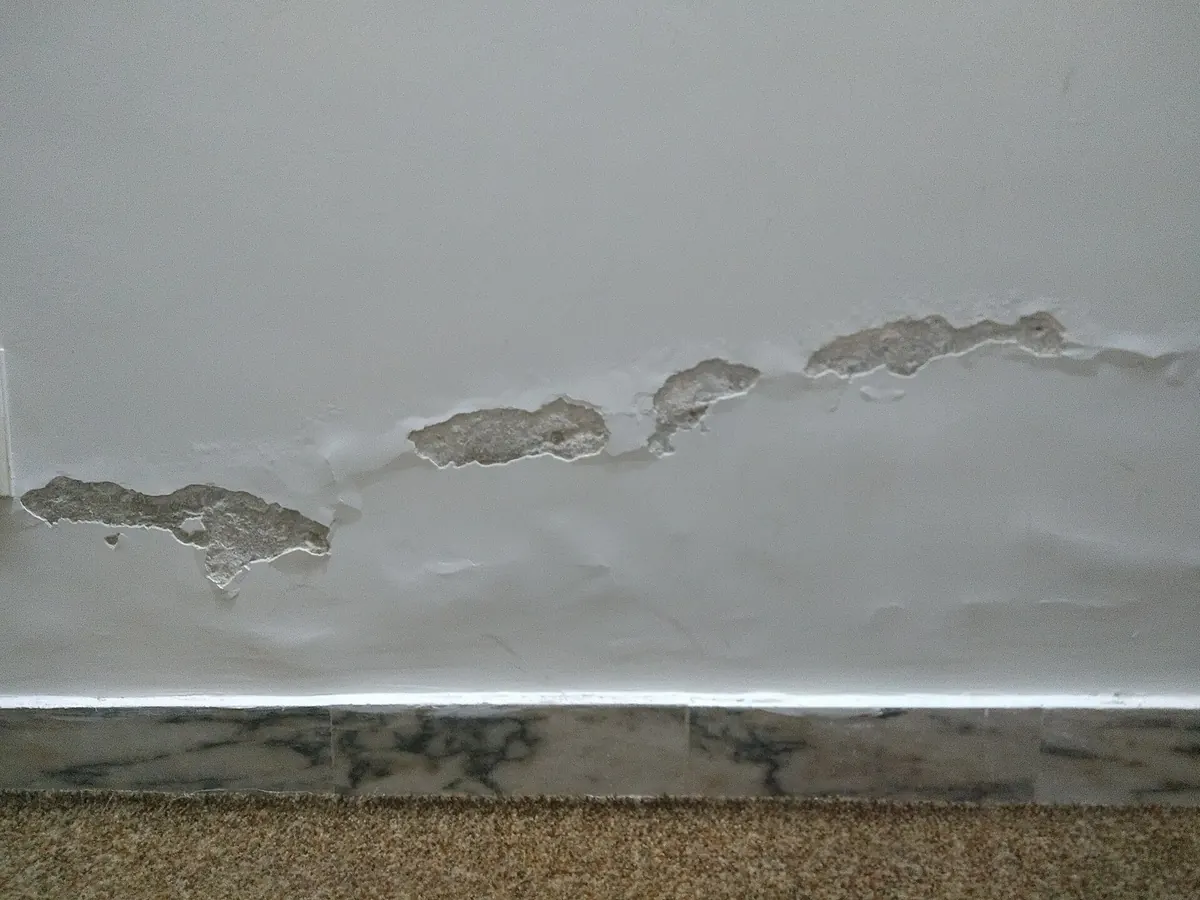
Hidden Mold Remediation for Walls in Los Angeles County
Ask for a scope that makes clear whether cavity growth is confirmed or dampness is only suspected.
For your concealed surfaces, a borescope or inspection openings, including cut-outs, may allow a view. A meter checks moisture, while a thermal camera directs checks. Thermal imaging does not identify mold.
A plumbing leak may leave mold hidden on the far side of drywall. Inaccessible sections need an explanation in your inspection, not an assumption that neighboring walls need removal.
- Behind baseboards or wallpaper
- Behind cabinets and tub surrounds
- Under flooring and underlayment
- Spaces above your ceilings or within walls

Selecting Hidden Mold Help in East San Gabriel, CA
Daily Communication
Pick a contact to discuss restrictions, progress and unanticipated access requirements.
Completion Disagreements
Ask who resolves disputes and pays for repeat verification.
Comparable Proposals
Check how each written scope of work defines rooms and the limits of cavities.
Changes After Access
Decide together how to approve revised charges and any additional findings.
Hidden Mold Signs Around Los Angeles County
The location of a recurring problem helps you choose where inspection begins.
Hidden Mold Near Windows
Check whether rainfall brings changes to the affected area.
Hidden Mold Under Floors
Specify which layers of flooring became wet when the event first occurred.
Hidden Mold Behind Cabinets
During inspection, show sink connections and cabinet backs that cannot be reached.
Hidden Mold Near Plumbing
Identify past fixture repairs along with adjacent bathrooms and plumbing routes.
Suspect Hidden Mold in East San Gabriel? Steps to Take First
Address active water and avoid disturbing the suspect area while arranging assessment.
Call (844) 352-3560- Stop New Water. If safe, turn off the fixture that leaks.
- Leave Surfaces Intact. Leave wallpaper and drywall intact instead of peeling or cutting to investigate mold yourself.
- Check Heating and Cooling. Do not operate equipment you suspect contains mold; EPA cautions that operation could spread mold.
- Keep Access Clear. Your affected area should stay off limits to pets and children.
- Respond to Recent Water Damage. EPA advises you to prevent mold growth by drying areas and items damaged by water within 24 to 48 hours.
East San Gabriel, CA: Your Hidden Mold Remediation Cost
Published ranges are planning references, not your quote. Check whether access, removal and rebuilding are separate charges.
For mold behind a tub or vanity in your bathroom, up to
$500 to $8,000 per jobSource: Bob Vila, Mold Remediation Cost (cites Angi and HomeAdvisor) (checked 2026-10-23)Repairing or replacing drywall once removal is complete
$1,000 to $2,900 per jobSource: Servpro, Mold Remediation Cost (checked 2026-10-23)What Affects Your Cost in East San Gabriel
- Replacement of affected materials
- Size and depth of concealed growth
- Moisture source repair
- Fixture removal for access
- Containment and waste route
Hidden Mold Cost: Published Guides
No site visit was used for these ranges, which are drawn from published national cost guides. Your property price is set after an on-site assessment and should be explained before work starts.
Ask about cost: (844) 352-3560California Insurance Questions About Hidden Mold
Your policy and the cause of water damage determine insurance coverage. Ask your insurer how the event is classified.
Disclosure Questions
California's Toxic Mold Protection Act includes a landlord written-disclosure section (Health and Safety Code 26147). By its own wording it applies only after the state adopts mold exposure standards, and the state health department has said it could not set them.
Rental Responsibilities
Under California's housing law, visible mold found by a health officer or code enforcement officer can make a rental substandard. Renters can contact their local health or code enforcement department to ask for an inspection.
Policy Limits
Clarify your exclusions, deductible and mold sublimit.
Claim Scope
Find out whether investigation and removal are claimed separately from rebuilding and each other.
Understanding the Mold Removal Process for Hidden Mold in Greater Los Angeles
You should know the planned sequence and how completion will be checked before remediation starts.
Hidden Mold Inspection and Scope
Use moisture mapping to define planned openings and identify the moisture source needing repair.
Containment and HEPA Filtration
For a containment barrier, use poly sheeting. To hold negative air pressure, use an air filtration device.
Controlled Wall Access
For demolition of damaged materials, the cleanup crew creates openings determined by assessment.
Mold Removal From Drywall
Remove affected porous materials from containment in sealed bags, using a HEPA air scrubber if specified.
Cavity Surface Cleaning
Assessed methods may include a HEPA vacuum and damp wiping. You still need cleaning despite antimicrobial treatment.
Drying and Moisture Control
Document progress using moisture readings as drying equipment, air movers and a dehumidifier aid the drying process.
Final Cleaning and Verification
Before removing containment, finish your post-remediation verification. Any clearance testing should use an independent assessor.
Surface Growth or a Cavity Concern?
Your assessment uses visible evidence; demolition boundaries require more.
| Observation | What to check | Likely next step |
|---|---|---|
| An intact finish with spots on its surface | Condensation and nearby moisture readings | If the backing remains dry and sound, assess whether surface cleaning is suitable. |
| Recurring stains or soft drywall | Where a leak travels and the condition underneath finishes | Talk through inspecting the cavity using controlled access. |
| Musty odor without visible mold growth | Water history and inaccessible materials | Inspect the target area before suggesting removal. |
According to CDC, mold risk cannot be determined by color. Black mold on walls alone cannot determine how much removal is needed.
Collecting Your Records and Observations
Document your history while leaving suspect surfaces undisturbed.
- Include dates and room labels when photographing swelling and stains.
- Record any pattern of odor following fixture use or rainfall.
- List finishes that were replaced, prior leaks and work done for drying.
- Bring together repair bills, past inspection reports and correspondence about claims.

Discuss Hidden Mold Remediation (Behind Walls) in East San Gabriel
Call any hour. A hidden mold remediation (behind walls) specialist answers, talks through what you are seeing and explains the next steps.
California Hidden Mold: Risks When Opening Cavities
Have hidden damage assessed before you disturb it. The patch you can see does not reveal its entire extent.
Dust From Hidden Mold
Opening cavities can release mold spores into adjoining rooms.
Occupant Sensitivity
People with asthma, lung disease or weak immune systems face greater risk around mold, according to CDC.
Contaminated Water
Sewage or contaminated water calls for a professional experienced with that damage.
Can you clean it yourself? EPA says accessible areas under about 10 square feet can often be homeowner-cleaned. Have a professional assess larger areas and any HVAC involvement, since the visible-area threshold cannot judge hidden growth.
Understanding Mold Removal From Walls in Los Angeles County
Sound wooden framing may be retained after cleaning and drying, despite being porous. Your material decisions depend on its condition and ability to be cleaned.

May Be Cleaned and Kept
- Sound wood framing after assessment
- Non-porous surfaces that allow cleaning, including metal
May Need Removal
- Mold-damaged drywall and insulation
- Carpet, subfloor or cabinet backing that cannot be cleaned
Rebuilding After Cleanup
- Replacement insulation and drywall
- Trim, flooring, primer and paint
Greater Los Angeles Hidden Mold Cleanup: Understanding the Timeline
Access, drying and repair handoffs determine how long it takes. Ask for a schedule tied to completion checks.
- Access approval: Cabinet removal, shared walls or occupied rooms may need separate arrangements.
- Drying progress: Material thickness and measured moisture affect when the cavity can be closed.
- Repair handoff: Plan leak repair and replacement finishes along with verification before scheduling use of the room again.
East San Gabriel Indoor Air Quality and Hidden Mold
Masking an odor gives you no evidence of a clean cavity. Mustiness calls for investigation, without establishing how extensive hidden mold is or pinpointing where it is growing.
Keep your indoor relative humidity under 60 percent, as EPA recommends, with 30 to 50 percent the ideal range. Address leaks too: a drop in room humidity alone does not fix a wet wall.

Scope and Repair Planning
Use the full hidden mold remediation (behind walls) guide to prepare questions about the assessment, scope and next steps for your property.
Read the hidden mold remediation (behind walls) guidePlanning Hidden Mold Remediation (Behind Walls) in East San Gabriel
Area housing statistics describe local housing, without showing what condition your property is in. Plan access, moisture repairs and records around what an assessment finds.
Census ACS 2024 5-year (tables B01003, B25003, B25035, B09021 and B25024). Area estimates do not establish conditions at an individual property.
In East San Gabriel, renters occupy 44 percent of occupied housing units. For your property, record the rooms affected and ask who can authorize access before work begins.
The median year built for housing units in this community is 1960. This does not establish your building age or condition. Ask who will repair the moisture source and who will replace any materials removed during cleanup.
Single-family units make up 75 percent of all housing units in this community. Use your own inspection findings to plan repairs and keep copies of the agreed cleanup steps.
In this community, 14 percent of residents aged 65 or older live alone. Ask who will repair the moisture source and who will replace any materials removed during cleanup.
Before Your Property Assessment
- In this community, mold removal starts with finding and fixing the water problem, because cleaning the surface alone will not keep growth from returning.
Local Hidden Mold Remediation (Behind Walls) Information for East San Gabriel
Your call can include questions about mold cleanup availability in close-by communities and ZIP codes.
Hidden Mold Remediation (Behind Walls) in Locations Near East San Gabriel
ZIP codes
Common Questions About Hidden Mold Remediation (Behind Walls) in East San Gabriel
Does an affected cavity require removal of every wall?
No. Request the limits and the supporting evidence for expanding them. If more damage appears after opening, get an explanation ahead of approving an expanded scope. Inaccessible surfaces can leave uncertainty after inspection; decide together how to address those limits.
Will removal cover closing your walls and repainting them?
Do not assume it does. Get a list of included and excluded work addressing debris disposal, wall closure, fixture removal and matching finishes. Confirm who hires repair trades and accepts the cavity before rebuilding. Do not arrange painters while other tasks remain unfinished.
How should a tenant address suspected hidden mold in California?
Notify your landlord or property manager in writing with the location and observations. Request an inspection and an access plan, then keep dated replies and appointments. Do not personally approve demolishing a wall you rent. If progress stops, consult the local housing agency information and ask what steps you can take next.
After closing the cavity, which records should you retain?
Collect photographs showing exposed cavities alongside repair invoices, moisture readings, verification results and the final scope with any revisions. Ask for inspected rooms and areas to be identified in records, including sections that were inaccessible. A future buyer, manager or repair contractor should be able to understand what was done without reopening finished surfaces.
Do you need mold testing before opening a wall?
Ask what decision a sample would change. Air sampling cannot pinpoint growth in a specific cavity; no federal indoor mold limit exists through EPA to establish a universal pass. Use inspection results to decide access; sampling can address a specific question without removing the growth.
During hidden mold removal in East San Gabriel, can you remain at home?
Ask which rooms and routes remain usable, how the work zone is separated, and whether heating or cooling must stop. Set aside time before work begins to discuss bathroom use, sleeping areas and temporary relocation if needed. Whether remaining home suits your household is not assured solely by having a containment plan.
Questions About Hidden Mold Remediation (Behind Walls) in Los Angeles County?
Calls about hidden mold remediation (behind walls) are answered 24 hours a day, so you can receive clear and practical guidance.